Three-Season Room vs Four-Season Room in Minnesota
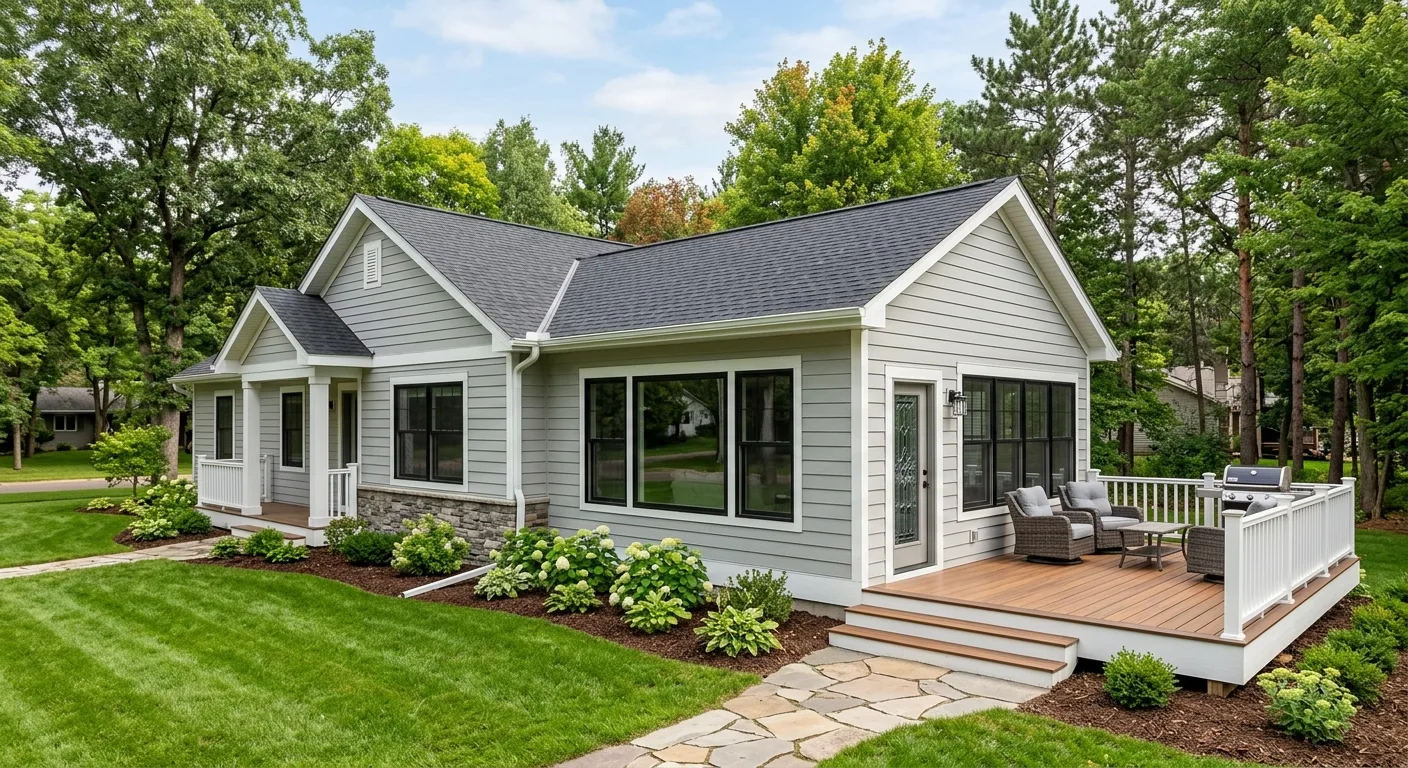
If you're trying to decide between a three-season room vs a four-season room in Minnesota, the honest answer is that it comes down to one winter question: do you want to sit in that room on a 10-below January morning, or are you happy to close it up from November to March? That single question decides everything else, the walls, the foundation, the heat, the glass, and the cost. Most sunroom companies hand you a glass catalog and never mention it, which is how North Metro homeowners end up with a room marketed as year-round that's freezing by Thanksgiving. Powerbuilt Construction builds both kinds the right way for a Minnesota winter, and Bob Powers walks the site and pulls the permit himself. Licensed Minnesota general contractor since 1995, License #BC533891. Call Bob directly at (763) 331-2247 if you'd rather just talk through how you plan to use the room.
Here's the real difference between the two, point by point, so you can match the room to how you'll actually live in it before anyone quotes a number.
Three season room vs four season room: the one difference that matters
A three-season room is a shoulder-season space. It's built to be wonderful from April through October: screened or single-glazed, framed to Minnesota wind loads, and set on proper footings, but it is not insulated or heated to hold a comfortable temperature through a North Metro winter. You'll use it hard three seasons of the year and close it up for the coldest months. A four-season room is a true year-round addition: insulated walls and ceiling to Minnesota energy code, an insulated slab or frost-protected foundation, a real heat source tied into the house, and dual-pane low-E glazing rated to survive a Minnesota winter without sweating or icing over. One is an open-weather room. The other is finished, conditioned square footage that counts when you sell or appraise.
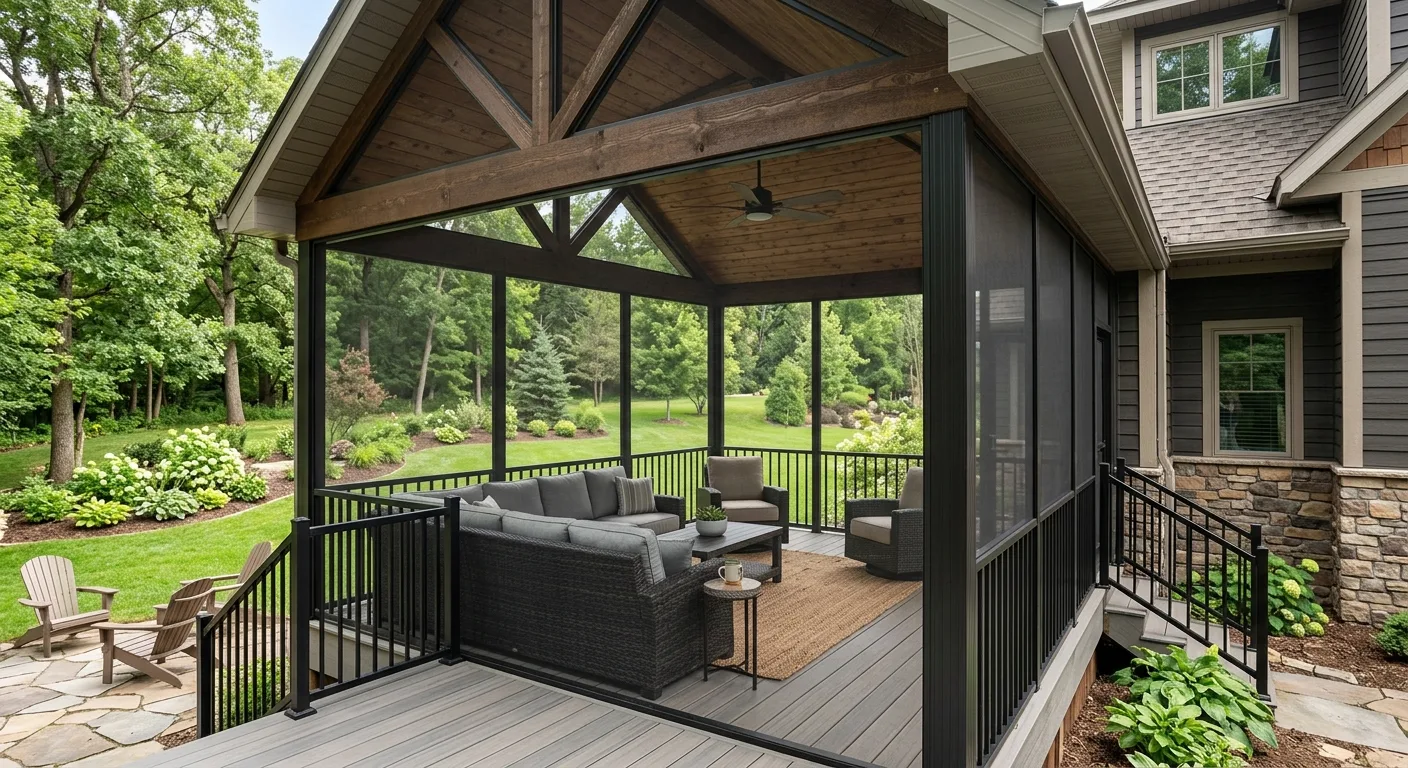
The thing homeowners get wrong is thinking the windows decide it. They don't. The envelope does. A three-season room with great-looking glass is still a three-season room if the walls aren't insulated, the slab isn't protected from frost, and there's no heat tied into the house. You can spend four-season money on glass and still have a room you can't use in January. Across the sunroom failures we get called to look at in Anoka County, the pattern is almost always the same: a kit room bolted onto a deck, marketed as year-round, with none of the three things that actually make a room warm. If a year-round room is the goal, that's our four-season room addition built to be usable in January, and it starts with the foundation and the walls, not the window brochure.
Can you heat a three season room in Minnesota?
You can run a space heater in a three-season room on a mild day, but you cannot heat a three-season room to a comfortable, code-legal year-round temperature in Minnesota, and here's the part nobody tells you: the moment you add a permanent heat source tied into the house to make a sunroom habitable in winter, Minnesota code treats it as conditioned space. That means the walls, ceiling, and floor have to meet energy-code insulation levels, and the glazing has to meet a U-factor the inspector checks. In other words, the act of properly heating a three-season room turns it into a four-season room. There is no in-between where you get winter warmth without the insulated envelope.
This is where the North Metro's climate makes the rule bite harder than it would almost anywhere else. The area runs roughly 8,000 heating degree days a year, among the highest heating loads in the state, so a room that leaks heat through uninsulated walls and single-pane glass will never hold temperature no matter how big a heater you point at it. A furnace extension or a mini-split into an uninsulated box just dumps money out the glass. We've walked plenty of three-season rooms in Blaine, Andover, and Ham Lake where a previous owner tried to "just add heat" and ended up with a condensation problem, iced-over glass, and a heating bill spike, because the envelope was never built for it.
"Properly heating a three-season room to a Minnesota winter standard doesn't upgrade the room. It rebuilds it as a four-season room, because code requires the insulated envelope to come with the heat."
So the real decision isn't "three-season now, heat it later." It's "which room am I building today," because retrofitting winter into a shoulder-season room usually means tearing back into walls that were never meant to hold it. If you only want shade, a breeze, and a bug-free place to sit three seasons a year, a screened room or an open or screened porch if you don't need a conditioned room is the smarter, cheaper call, and we'll tell you so on the walkthrough.
Insulation, vapor barrier, and the glass that survives a Minnesota winter
A four-season room lives or dies on three envelope details that a three-season room skips entirely. Get them right and the room is comfortable at 10-below. Get them wrong and you've built an expensive cold spot on the back of the house.
- Insulated walls and ceiling to code. Continuous insulation in the walls and roof assembly, sized to the current Minnesota energy code, so the room holds heat instead of bleeding it.
- A vapor strategy that doesn't trap moisture. In a cold climate the warm, humid indoor air meets cold surfaces, and without the right vapor control you get condensation inside the wall and on the glass. We detail the assembly so moisture moves the right direction instead of rotting the framing.
- Dual-pane low-E glazing rated for winter. Single-pane or thin kit glass sweats, ices, and radiates cold. Insulated low-E units with a tight U-factor are what keep the inside pane warm enough to sit next to in January.
A three-season room skips all three on purpose, and that's not a defect, it's the whole point of the lower price. The mistake is paying for a room you think is four-season and discovering the walls are hollow when the first cold snap hits.
Foundation and frost: why both rooms still need real footings
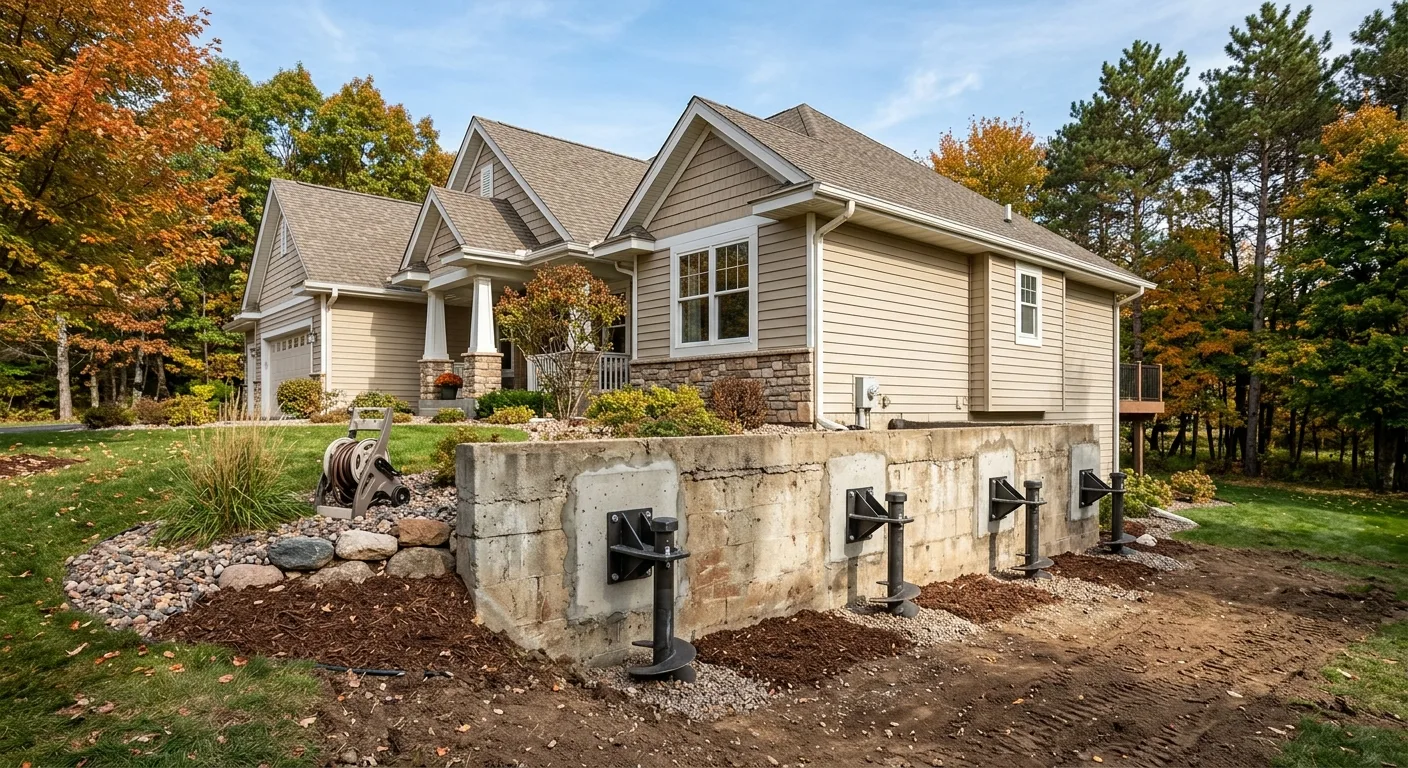
Here's one place the two rooms are the same, and it's where the cheapest kit sunrooms cheat. Minnesota's frost-depth zone pushes footings 42 inches below grade. A room set on a shallow deck, a few surface piers, or a floating slab that doesn't reach frost depth will heave and settle every freeze-thaw cycle, and once a room moves, the glass racks, doors stop latching, and water finds the gaps. Both a three-season and a four-season room need footings that go below the frost line. The four-season room adds an insulated slab or a frost-protected shallow foundation on top of that, so the floor itself isn't a cold plane in winter. This is the same way we start any full heated home addition when you want more than a sunroom: foundation and frost first, finishes later.
Do you need a permit for either one?
Both rooms are permitted work in Minnesota, because both are structural additions attached to the house. The permit scope is larger for a four-season room: it pulls in the energy-code insulation inspection, the glazing U-factor, the heat source tie-in, and sometimes an electrical rough-in, all of which get inspected before anything closes up. A three-season room still needs its structural and footing work permitted and inspected. Anoka County doesn't run one countywide office for this, each city issues and inspects its own, so a Ham Lake room files with Ham Lake and a Blaine room files with Blaine. We pull the permit in the correct jurisdiction and carry it through inspection either way, so the paperwork is clean when a buyer's inspector or appraiser asks for it later.
Three season room cost vs four season room cost
We don't publish flat prices, because no two of these rooms are the same and a headline number that ignores your foundation and your envelope isn't honest. What we can tell you plainly is where the cost difference between the two actually lives, so you can plan instead of guess.
- The envelope. Insulated walls, ceiling, and a vapor-controlled assembly are the single biggest cost the four-season room carries that the three-season room doesn't.
- The glass. Dual-pane low-E units rated for a Minnesota winter cost meaningfully more than the screens or single glazing on a three-season room.
- The foundation. Both need below-frost footings, but the four-season room adds an insulated slab or frost-protected foundation on top of that.
- The heat. Tying a real heat source into the house, and the electrical that sometimes comes with it, is a four-season-only line item.
Put simply: a three-season room is a real room built for three seasons, and it's priced accordingly. A four-season room is finished, conditioned square footage that performs like the rest of your house, and it costs more because it does more. The expensive mistake is paying partway up that ladder, buying four-season glass on a three-season envelope, and ending up with neither.
Common questions
Do you need a permit for a four-season room?
Yes. A four-season room is a conditioned structural addition, so it's permitted and inspected work in Minnesota. The permit covers the structure and footings, the energy-code insulation, the glazing U-factor, and the heat tie-in, and a municipal inspector verifies each before the walls close up. In Anoka County you file with your own city's building department, not a single county office. We pull the permit in the right jurisdiction and carry it through inspection as part of the job.
Can you convert a three-season room to a four-season room?
Sometimes, but it's rarely the bargain homeowners hope for. Converting means opening the walls to add code-level insulation and a vapor strategy, swapping the glass for rated dual-pane low-E units, adding a heat source tied into the house, and in many cases upgrading the slab or foundation for winter. If the original three-season room was built on real below-frost footings with a structure that can take the added work, a conversion can make sense. If it was a kit room on a deck, you're usually better off building the four-season room right the first time than paying twice. Bob reads the existing room before telling you which way the math falls.
Match the room to how you'll use it, then call
The whole choice comes down to one honest answer: if you'll close the room up every winter, build the three-season room and enjoy it eight months a year. If you want to sit in there with coffee on a January morning, build the four-season room and build the envelope to match, because heating a shoulder-season room to winter standard just rebuilds it as a four-season room anyway. Powerbuilt Construction is a licensed Minnesota general contractor (License #BC533891) serving Ham Lake, Anoka County, and the North Metro Twin Cities. Bob Powers walks the site, reads your foundation and your envelope, pulls the permit in the right city, and gets the work inspected. Across 27 Google reviews we hold a 4.9-star rating, and that number reflects finished North Metro projects, not promises. Call Bob directly at (763) 331-2247, or request a quote and tell us how you picture using the room. You'll get a straight answer before anyone pours a footing.